Redux 스타일 Store 직접 구현
type Reducer<S, A> = (state: S, action: A) => S
type Listener<S> = (state: S) => void

interface Store<S, A> {
  getState: () => S
  subscribe: (listener: Listener<S>) => () => void
  dispatch: (action: A) => A
}

function createStore<S, A>(
  reducer: Reducer<S, A>,
  preloadedState: S
): Store<S, A> {
  let currentState: S = preloadedState
  let listeners: Listener<S>[] = []

  function getState(): S {
    return currentState
  }

  function subscribe(listener: Listener<S>): () => void {
    listener(currentState)

    listeners.push(listener)

    return function unsubscribe() {
      listeners = listeners.filter((l) => l !== listener)
    }
  }

  function dispatch(action: A): A {
    currentState = reducer(currentState, action)

    listeners.forEach((listener) => {
      listener(currentState)
    })

    return action
  }

  return {
    subscribe,
    getState,
    dispatch,
  }
}

type Item = {
  body: string
}

type State = {
  items: Item[]
}

type Action = {
  type: 'ADD'
  payload: Item
}

const store = createStore<State, Action>(
  (state, action) => {
    switch (action.type) {
      case 'ADD':
        return {
          ...state,
          items: state.items.concat(action.payload),
        }
      default:
        return state
    }
  },
  {
    items: [],
  }
)

store.subscribe((state) => {
  console.log(state.items)
})

store.dispatch({
  type: 'ADD',
  payload: {
    body: 'hello',
  },
})import * as React from 'react'
export type NonEmptyString<T> = Exclude<T, ''>
type Props<T> = {
src: NonEmptyString<T>
}
function Image<T extends string>({ src }: Props<T>) {
return <img src={src} alt="" />
}
function App() {
return (
<>
{/* @ts-expect-error */}
<Image src="" />
<Image src="ab" />
</>
)
}import * as React from 'react'
import { IsEqual } from 'type-plus'
type ModalProps =
| {
variant: 'no-title'
}
| {
variant: 'title'
title: string
}
export const Modal = (props: ModalProps) => {
if (props.variant === 'no-title') {
return <div>No title</div>
} else {
type Test = IsEqual<
typeof props,
{
variant: 'title'
title: string
}
>
return <div>Title: {props.title}</div>
}
}
export const Test = () => {
return (
<div>
<Modal variant="title" title="Hello" />
<Modal variant="no-title" />
{/* @ts-expect-error */}
<Modal />
<Modal
variant="no-title"
// @ts-expect-error
title="Oh dear"
/>
</div>
)
}import * as React from 'react'
type Prettify<T> = {
[K in keyof T]: T[K]
} & {}
type T = React.ComponentProps<'div'>
type P = Prettify<T>React 제네릭 컴포넌트 패턴 - <T extends Record<string, any>>로 row/item 타입 추론
import * as React from 'react'

type Props<TRow> = {
  rows: TRow[]
  renderRow: (row: TRow, index: number) => React.ReactNode
}

const Table = <TRow extends Record<string, any>>({
  rows,
  renderRow,
}: Props<TRow>) => {
  return (
    <table>
      <tbody>{rows.map((row, index) => renderRow(row, index))}</tbody>
    </table>
  )
}

function App() {
  return (
    <Table
      rows={[{ name: 'lee' }]}
      renderRow={(row, index) => (
        <tr key={index}>
          <td>{row.name}</td>
        </tr>
      )}
    />
  )
}
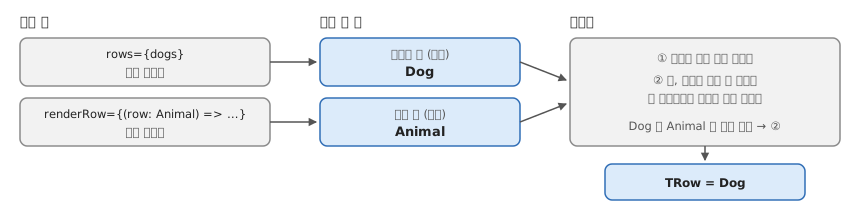
row.name 이 되는 이유 — TS 는 Props<TRow> 와 넘긴 값을 나란히 놓고 TRow 를 줍는다.
![Props<TRow> 와 넘긴 props 를 칸마다 나란히 놓는다. rows: TRow[] 자리에는 { name: string }[] 이 와서 배열 안의 맨몸 TRow 자리에서 { name: string } 을 후보로 줍는다. renderRow 의 row 는 타입을 안 적었으니 주울 게 없다. extends Record<string, any> 는 넘긴 값이 아니라 후보가 아니고 검사에만 쓰인다. 후보로 TRow = { name: string } 이 정해지면 그 타입이 거꾸로 renderRow 의 row 로 흘러가서 row.name 을 쓸 수 있다.](/svg/generic_infer_collect.svg)
후보가 여럿이면 자리에 따라 고른다.
TRow 를 두 번째로 쓰는 prop 은 NoInfer 로 줍기에서 뺀다 (TS 5.4+).
type Props<TRow> = {
  rows: TRow[]
  renderRow: (row: TRow, index: number) => React.ReactNode
  selectedRow?: NoInfer<TRow>
}![rows={[{ name: ‘lee’ }]} selectedRow={{ name: ‘kim’, age: 1 }} 를 넘긴다. NoInfer 가 없으면 두 자리 모두에서 후보를 줍고, 둘 다 객체 리터럴이라 union 으로 합쳐져 TRow 가 넓어지고 에러가 나지 않는다. NoInfer 가 있으면 selectedRow 는 후보로 줍지 않아 TRow = { name: string } 이 되고, selectedRow 를 그 타입으로 검사하다 age 에서 에러가 난다.](/svg/generic_infer_noinfer.svg)
extends Record<string, any> 는 원시값만 막는다.
![Record<string, any> 는 { [key: string]: any } 로 펼쳐진다. 값이 any 인 인덱스 시그니처는 원시값만 빼고 다 받아서 type 별칭 객체·interface·배열·함수가 통과하고 원시값만 막힌다. Record<string, unknown> 은 암묵적 인덱스 시그니처가 있는 type 별칭 객체만 통과한다 — interface 는 선언 병합으로 속성이 늘 수 있어 암묵적 인덱스 시그니처를 받지 못하고, 배열·함수도 막힌다. object 는 원시값만 막는다.](/svg/record_any_gate.svg)
추론 규칙 전체는 589.
import * as React from 'react'
import { UseComboboxProps, useCombobox } from 'downshift'

function Combobox<T extends Record<string, any>>(
  props: UseComboboxProps<T> & {
    renderItem: (item: T) => React.ReactNode
  }
) {
  const combobox = useCombobox(props)

  return (
    <div>
      <input
        placeholder="구성원을 검색해주세요."
        {...combobox.getInputProps()}
      />
      <div {...combobox.getMenuProps()}>
        {combobox.isOpen &&
          props.items.map((item, index) => (
            <div key={item.id} {...combobox.getItemProps({ item, index })}>
              {props.renderItem(item)}
            </div>
          ))}
      </div>
    </div>
  )
}

function App() {
  return (
    <Combobox
      items={[{ id: 1, name: 'eunsoo' }]}
      itemToString={(item) => `${item?.id}`}
      renderItem={(item) => {
        return <div>{item.name}</div>
      }}
      onInputValueChange={({ inputValue }) => {
        console.log(inputValue)
      }}
    />
  )
}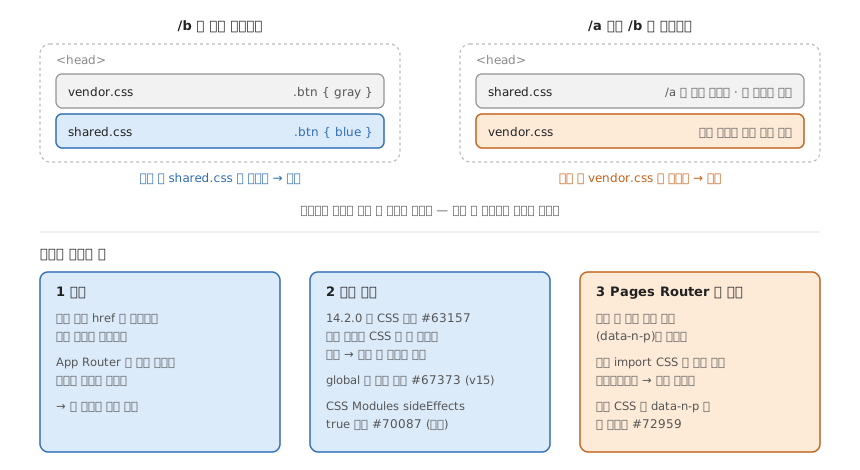
- v14.1.4 → v14.2.0 — 이 사이에 CSS 청킹이 바뀌었다 (#63157)
- avoid merging global css in a way that leaks into other chunk groups · #67373 — v15 canary 부터, 14.2.x 엔 없다
- fix(build): fix css modules out of order issue from libraries · #70087 — 열림, webpack 쪽 수정을 기다리는 중
export function parseNativeEmoji(unified: string): string {
  return unified
    .split('-')
    .map((hex) => String.fromCodePoint(parseInt(hex, 16)))
    .join('')
}unified문자열을-로 분리하여 개별 유니코드 코드 포인트를 얻는다.- 각 16진수 코드 포인트를 정수로 변환하고, 그에 해당하는 캐릭터를 반환한다.
- 최종적으로 변환된 캐릭터들을 연결하여 하나의 문자열로 생성한다.
In information technology and computer science, a system is described as stateful if it is designed to remember preceding events or user interactions. The remembered information is called the state of the system.
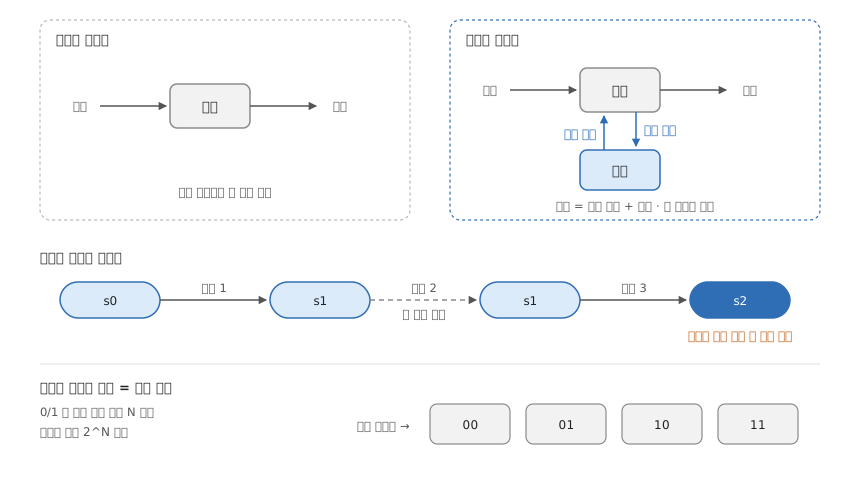
idle·loading·success·failure— 버튼 비활성화는 앱 로직이 아니다- 상태 머신 — 스테이트차트·UML 표기·TypeStates
- Signal — 읽은 곳만 다시 계산하는 반응성
- State Reducer 패턴 — reducer 를 넘겨 훅 동작을 바꾼다
- Redux 스타일 store 직접 구현
useGenerator— 핸들러를 async generator 로 받아 yield 마다 상태를 바꾼다
import type { A } from 'a'const emptyCsvFile = new File([''], 'default.csv', { type: 'text/csv' })
const emptyPngFile = new File([''], 'default.png', { type: 'image/png' })
formData.append('product_coupons', emptyCsvFile)
formData.append('product_imgs', emptyPngFile)
console.assert(emptyCsvFile.size === 0)빈 파일을 FormData에 첨부하여 전송하는 방법
File객체를 사용하여 빈 파일을 생성할 수 있다.- 파일의
MIME타입을 지정하여 타입에 맞는 빈 파일을 만들 수 있다. - 생성된 빈 파일을
FormData객체에 추가하여 전송할 수 있다.
이는 서버에 빈 형태의 파일을 전송할 때 유용하며, API 테스트 및 디폴트 값 설정에 활용될 수 있다.